


January 3, 2013
Richard A. Baxter, MD
Seattle, WA
What started out as a fairly simple idea – vacuum out stubborn areas of excess fat – has morphed into an alphabet soup of techniques and technologies.
 Smart lipo, Slim lipo, Tickle lipo, power lipo, Smooth lipo, VASER lipo, tumescent, liposculpting, and others, all claiming to be safer, more effective, and with minimal or no down time for recovery. How is the educated consumer supposed to separate the wheat from the chaff and make an informed decision? A survey of board certified plastic surgeons who perform liposuction shows that it need not be so complicated.
Here is a checklist of things to keep in mind if you are considering liposuction:
1. First and foremost, all liposuction is surgery. It is often called a “minimally invasive procedure” which may be correct in a sense but doesn’t accurately convey what actually happens. Skin incisions may be tiny, but the volume of tissue treated is substantial. Though liposuction is a safe procedure when properly done, the risks that exist are those of a surgical operation.
2. Surgery requires anesthesia, and there are 3 main approaches to this:
- Tumescent – which is a numbing solution injected into the surgical site
- Tumescent plus intravenous sedation medication – probably the most common method
- General anesthesia
What is confusing is that all versions of anesthesia involve some version of tumescent technique; it is not a liposuction technique per se. Risks of complications for healthy patients are not dramatically different between these options.
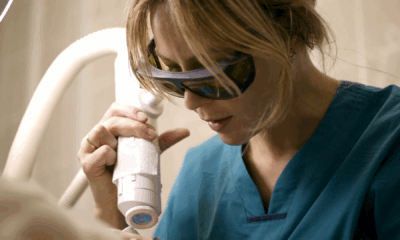
3. Laser-assisted liposuction increases risks, though paradoxically it is often touted as being safer. These are many of the brand-name lipo procedures. The idea is to insert the laser into the fat to sort of melt it before doing the liposuction, and the heat may stimulate some extra tightening of the skin. However, the additional tightening is minimal, and the survey cited at the beginning of this post found that only a tiny fraction (less than 4%) of plastic surgeons feel that the extra risks, cost and time are worth it in terms of patient results. The primary benefit seems to be marketing.
4. Because liposuction is surgery, it should be done in an accredited surgical facility by a qualified surgeon. It is the surgeon’s judgment, experience, and training, not the technology that determines good outcomes.











Facebook
Twitter
Instagram
YouTube
RSS