

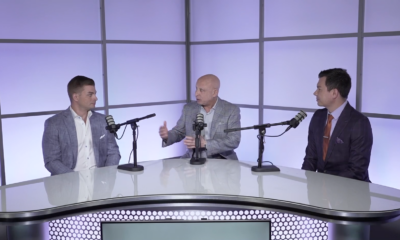
With over 2 billion monthly users on TikTok and Instagram, plastic surgery content floods social media—but how can patients separate fact from fiction? On the latest MediaPSC Roundtable, board certified plastic surgeons Dr. Giancarlo Frojo, Dr. Charles Riccio, and Dr. Joseph Kelling are joined by facial plastic surgeon Dr. Johnny Mao to tackle this pressing issue.
Verifying Before-and-After Photos: Standards and Red Flags
Dr. Frojo frames the challenge: “How do patients know what they’re seeing is not synthesized, not AI?” The panel stresses consistent photography standards. Dr. Kelling warns, “It’s easy to manipulate light to make somebody look younger… If you’re seeing a difference in the brightness in the before versus the after, that’s a really quick giveaway.” Uneven lighting or angles can exaggerate results, misleading viewers. Board certification emerges as a trust anchor. Dr. Mao explains, “We’re not allowed to edit our photos… it’s totally against the ethical guidelines of our board.” Patients can rely on American Board of Plastic Surgery-certified surgeons for unaltered images. Dr. Riccio adds transparency through chronology: “On my website, there’s a chronological ordering of all my photos… a constant flow of photos and patients.” Gaps in posting history raise suspicions, while steady, dated results signal authenticity. The surgeons urge patients to scrutinize details: same lighting, angles, and expressions in before-and-afters. AI-generated or heavily filtered images often lack these consistencies. By prioritizing board-certified providers, patients access “legit” visuals, as Dr. Mao puts it, free from unethical manipulation.
Managing Reviews: Encouraging Authenticity and Handling Negativity
Reviews shape perceptions, but their reliability varies. Dr. Frojo asks how surgeons engage patients with platforms like Google and RealSelf. Dr. Kelling finds immediate post-visit requests “a little bit annoying” and selective: “Typically what you’re gonna see on my website is people that I’ve operated on personally… I just kind of ask them, ‘Hey, if you have a moment.’” This ensures reviews reflect surgical outcomes, not just office visits.
Dr. Riccio advocates persistence: “You really have to kind of stay on your patients and ask them to leave you a review if they had a good experience.” Diversifying across platforms—Google, RealSelf—broadens reach. Dr. Mao agrees, noting unsolicited reviews are rare; proactive requests help future patients researching surgeons.
Negative reviews pose a challenge. Dr. Kelling identifies a common source: “Bad reviews are patients that aren’t good candidates for surgery… it’s interpreted in a way that they take offense.” Dr. Riccio advises outreach: “It’s good to reach out and find out what part of their experience didn’t go well.” Open communication can resolve issues or clarify misunderstandings. Dr. Mao cautions against fake reviews from non-patients: “Some of them… are real haters out there.” Verifying reviewer history helps distinguish genuine feedback.
The panel views reviews as a two-way street—surgeons solicit thoughtfully, patients contribute honestly. A robust, varied review profile from certified surgeons signals credibility.
Empowering Patients in the Online Space
Legitimate surgeons equip patients to navigate plastic surgery’s digital landscape with confidence. From consistent photo standards to ethical review practices, board-certified surgeons uphold transparency. Dr. Kelling’s takeaway: “Choosing a board-certified plastic surgeon… you can trust that their photos are generally legit.” Patients, scrutinize lighting, check credentials, and value chronological results.
Encountered suspicious content? Share in the comments, like, and subscribe for more Hey Doc insights. Trust board-certified experts for authentic online representation and real-world results.







Facebook
Twitter
Instagram
YouTube
RSS