
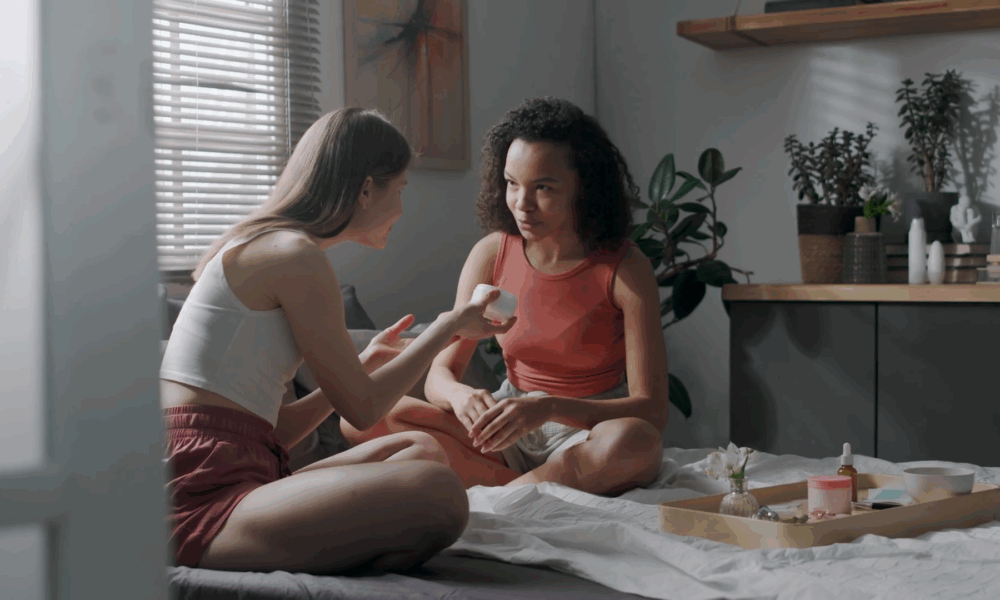

A New York Times article recently spotlighted a surprising California proposal: requiring ID to buy anti-aging skincare in stores. The driver? TikTok-fueled teens snapping up retinoids and peptides meant for adults three times their age. On the latest MediaPSC Uncut, board certified plastic surgeons Dr. Ed Gronet, Dr. Matt Novak, and Dr. Sean Arredondo unpack the trend, the risks, and the one product every teen actually needs.
The TikTok Effect: 12-Year-Olds Chasing “Glass Skin”
Dr. Gronet sets the scene: “Teenagers… are looking to buy anti-aging skin products designed for people 3 times their age.” The panel is stunned but not shocked. “Did you ever think we’d be talking about this?” Dr. Gronet asks. The answer is a unanimous “No”—yet here we are.
Social media is the accelerant. Viral “get unready with me” routines and “anti-aging hacks” convince preteens they’re already behind. “It’s driven by social media, of course,” Dr. Arredondo notes. “When you’ve got someone who’s 12, they’re already young. They don’t need any of this stuff.” The pressure to preempt wrinkles before they exist is creating a generation anxious about aging in middle school.
The proposed law would restrict over-the-counter access to potent actives—tretinoin, high-dose retinols, aggressive peels—requiring proof of age (typically 16 or 18). The goal: curb self-diagnosis and overuse by kids who don’t understand “pregnancy concerns” or “fissuring of skin” from tretinoin, as the panel warns.
What Teens Actually Need: Sunscreen and Guidance
So what should a teenager’s routine look like? The surgeons are crystal clear: “I can only think of one thing. Sunscreen.”
Puberty brings acne, oiliness, and sensitivity—not crow’s feet. “When teenagers start to go through puberty, there can be a lot of acne changes,” Dr. Novak explains. Gentle cleansers, benzoyl peroxide, or salicylic acid—in moderation—can help. But “a teenager isn’t going to know that applying too much benzoyl peroxide is going to dry their face out,” leading to irritation, peeling, or worse.
The panel stresses professional oversight. “It shouldn’t just be available in the pharmacy… medications, particularly in adolescents, are being managed by a professional.” Dermatologists or pediatricians can prescribe safe, effective treatments without the guesswork. Skincare isn’t one-size-fits-all—even for clear skin.
Finding the Middle Ground: Education Over Restriction?
Not all early skincare is harmful. “Skincare is important, just like taking care of your teeth,” Dr. Novak shares. A simple routine—cleanse, moisturize, SPF—builds lifelong habits. The danger lies in overdoing it: layering actives, following viral “slugging” trends, or using adult-strength formulas on developing skin.
The bill aims to protect, not ban. It targets high-risk ingredients, not basic moisturizers. Still, the panel sees a silver lining: “There are certain things that could be good about it… helping with skin conditions… under the guidance of a professional.” The ideal? Teens learn safe skincare from experts, not influencers.
Sunscreen Today, Confidence Tomorrow
This MediaPSC Uncut discussion cuts through the noise: Teens don’t need anti-aging—they need sun protection and smart guidance. California’s ID proposal highlights a real issue—TikTok turning skincare into a preteen arms race—but the fix isn’t just legislation. It’s education, parental involvement, and access to dermatologists.
Dr. Arredondo sums it up: “They’re already young. They’re fine.” Parents, skip the retinoids. Stock up on SPF. And if acne flares, book a derm—not a viral haul.
Got a teen obsessed with “glass skin”? Share your thoughts below, like, and subscribe for myth-busting skincare truth.





Facebook
Twitter
Instagram
YouTube
RSS